If you own a pool, you already know the routine: skimming leaves every morning, wrestling with a manual vacuum hose, scrubbing tiles on your hands and knees, and constantly balancing chemicals to keep the water sparkling. It’s a labor of love that often feels like just labor. For many homeowners, what should be a backyard oasis becomes a weekend chore list. That’s where automation steps in as a genuine game-changer. Automatic pool cleaners have existed for decades, but with options ranging from suction-side and pressure-side models to fully robotic units, choosing the right one can feel overwhelming. Enter the cordless robotic pool cleaner—the latest evolution in pool maintenance technology. Free from hoses, power cords, and your pool’s filtration system, these intelligent machines deliver thorough, hands-off cleaning with remarkable independence. This article will guide you through understanding what makes cordless pool cleaners stand out, break down the features that matter most, and help you choose the perfect model so you can spend less time maintaining your pool and more time enjoying it.
From Manual Labor to Robotic Precision: The Evolution of Pool Cleaning
For most of swimming pool history, keeping water clean meant physical effort. Homeowners armed themselves with telescoping poles, leaf nets, and manual vacuum heads connected to garden hoses or skimmer ports. Brushing walls and floors was a weekly ritual that demanded time, patience, and sore shoulders. The first real breakthrough came with automatic suction-side cleaners in the 1970s, which connected to the pool’s skimmer line and used the pump’s suction to crawl along surfaces and collect debris. Pressure-side models followed, attaching to the return line and using water pressure to propel themselves while sweeping debris into an attached bag.
Both types represented meaningful progress, but they carried inherent limitations. They relied entirely on the pool’s existing filtration system, which meant the pump had to run continuously during cleaning—adding wear and energy costs. Their movement patterns were largely random, so they often missed corners and steps. Suction models struggled with larger debris, while pressure units required a dedicated booster pump in many installations.
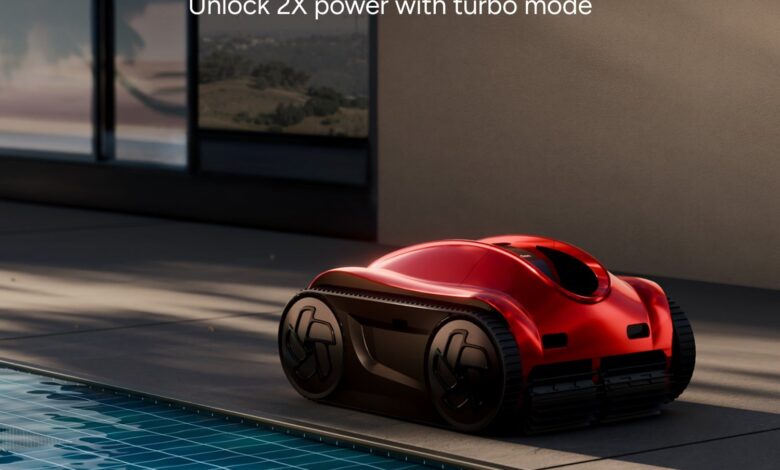
Robotic pool cleaners changed the equation entirely by operating as self-contained units with their own motors, filtration, and navigation intelligence. They plugged into a standard outlet and worked independently of pool plumbing. The latest leap forward—the cordless robotic cleaner—removes even that electrical tether. Powered by rechargeable lithium-ion batteries, these machines drop into the water with zero connections, navigate autonomously, and deliver professional-grade results without asking anything of your pool’s infrastructure.
Why Choose a Cordless Robotic Pool Cleaner? Key Features and Benefits
The most immediate advantage of going cordless is the elimination of cable management entirely. There’s no power cord snaking across your deck, no risk of tangling around ladders or handrails, and no electrical connection near the water’s edge—making it inherently safer when children or pets are around. Deploying the cleaner takes seconds: lift it off the charging dock, place it in the water, and press a button. Retrieval is equally simple since there’s no cord to coil or hose to disconnect.
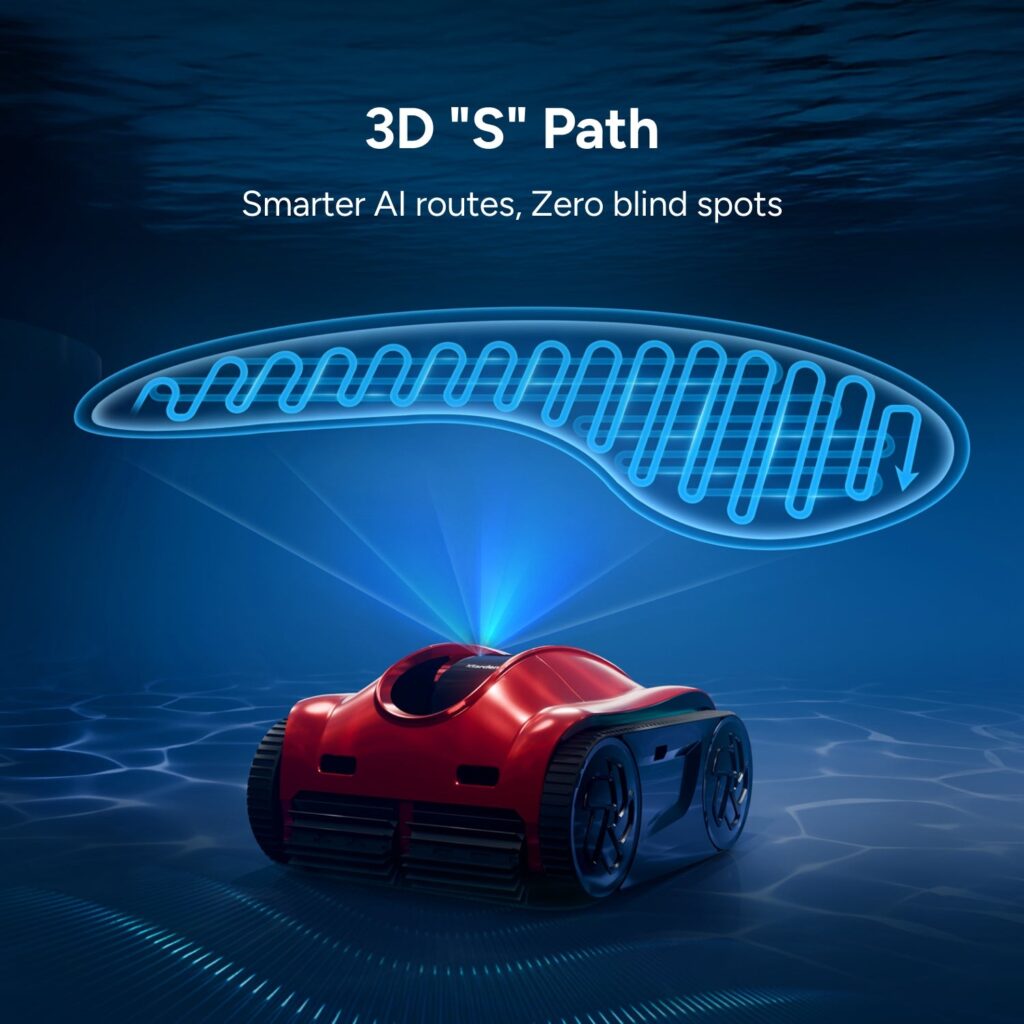
Beneath that convenience lies genuinely impressive cleaning performance. Cordless robotic cleaners carry their own multi-stage filtration systems capable of capturing particles as small as two microns—far finer than what most pool pump filters handle. Powerful rotating brushes scrub floors, walls, and the waterline where oils and grime accumulate, loosening biofilm that manual brushing often leaves behind. Meanwhile, onboard navigation systems use gyroscopes, accelerometers, or sonar mapping to chart your pool’s shape and ensure systematic coverage rather than random wandering. The result is a cleaner that reaches every corner, step, and curve without human guidance.
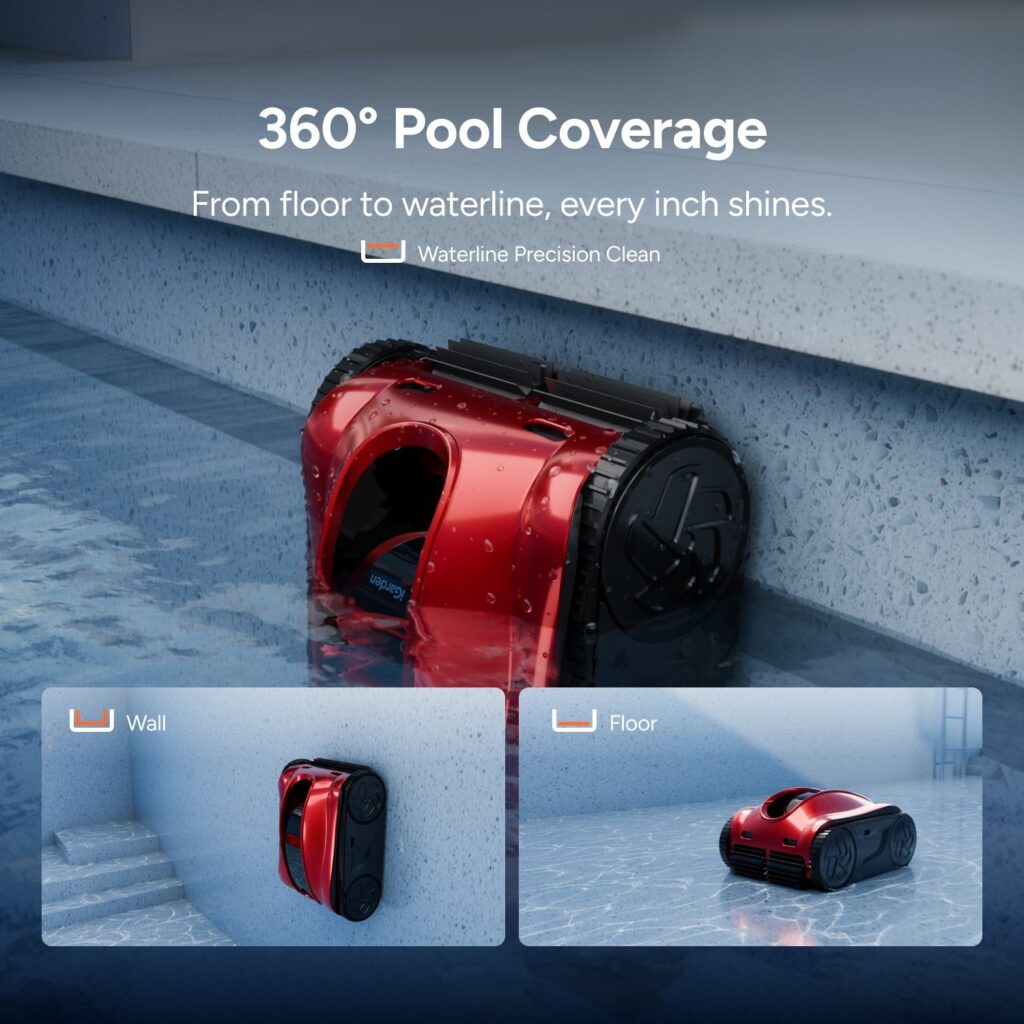
Energy savings add up quickly. Because the unit operates independently of your pool’s circulation pump, you can reduce daily pump run times significantly. The cleaner’s low-voltage motors consume a fraction of the electricity a standard pool pump draws, so each cleaning cycle costs just pennies. Many models complete a full cycle in under two hours, meaning less total energy expenditure compared to running a suction or pressure cleaner that requires the pump to operate for four to six hours. Smart features round out the package: programmable schedules let you set cleaning days in advance, and Wi-Fi-enabled models offer app control so you can start, pause, or monitor a cycle from your phone—whether you’re inside the house or away on vacation. Brands like iGarden are increasingly integrating these cordless cleaners into broader smart home ecosystems, allowing homeowners to manage pool maintenance alongside other automated outdoor devices from a single platform.
See also: Anger Management Techniques That Really Work
Your Buying Guide: How to Choose the Right Robotic Pool Cleaner
Assessing Your Pool and Cleaning Needs
Before browsing models, take an honest look at your pool’s characteristics and what you actually need from a cleaner. Pool size and shape matter enormously—a compact above-ground pool with straight walls demands far less from a cleaner than a large freeform inground design with benches, tanning ledges, and deep-end slopes. Larger pools require longer battery life to complete a full cycle without running out of power mid-clean, while complex shapes need advanced navigation to handle curves and tight corners without getting stuck. If your pool features steep walls or a raised spa, confirm that the model you’re considering has sufficient climbing ability and suction grip to handle those vertical surfaces.
Next, think about what ends up in your water most often. Homes surrounded by mature trees deal primarily with leaves, seed pods, and twigs—debris that demands a wide intake and a generously sized filter basket. Pools in arid or sandy environments face fine sediment that settles invisibly on the floor, requiring ultra-fine filtration rather than raw suction power. Many pools contend with both, so look for dual-filter options that let you swap between a fine-mesh cartridge for dust and a larger-capacity basket for bulky organic matter.
Finally, decide which features genuinely match your lifestyle. Wall climbing and waterline scrubbing eliminate manual brushing entirely. Weekly scheduling means the cleaner works while you’re at the office. App control appeals to tech-savvy owners who want real-time status updates, while others prefer a single-button design with no connectivity required. Prioritize the capabilities you’ll actually use rather than paying for extras that sit idle.
Comparing Key Pool Cleaning Features
Filtration is the heart of any robotic cleaner’s performance. Reusable mesh filter bags offer easy rinsing and zero ongoing cost, but they vary widely in micron rating—look for options that capture particles down to two microns if water clarity is a priority. Cartridge-style filters typically provide finer filtration out of the box and snap in and out quickly, though replacements add a recurring expense. Some units include both a standard basket for large debris and a fine-filter insert for polishing, giving you flexibility depending on conditions.
Navigation technology separates budget models from premium performers. Random-pattern cleaners bounce off walls and change direction arbitrarily, which eventually covers most surfaces but wastes time and battery revisiting areas already cleaned. Smart algorithmic navigation—using gyroscopes, accelerometers, or ultrasonic sonar—allows the cleaner to map your pool’s perimeter and floor on its first run, then follow efficient parallel paths that guarantee complete coverage in less time. For irregularly shaped pools or those with islands and obstacles, mapping-based navigation pays for itself in consistently thorough results.
Battery life directly dictates how much pool a cleaner can handle per charge. Most cordless models deliver between ninety minutes and three hours of run time, with quick-charge capabilities restoring full power in as little as three to four hours. Consider how that aligns with your pool’s square footage—a two-hour cycle typically handles pools up to roughly 50 feet in length comfortably. Also investigate the battery’s expected lifespan; quality lithium-ion cells should endure several hundred charge cycles before noticeable degradation, and replaceable battery packs extend the machine’s useful life well beyond that threshold.
Durability deserves equal attention. Rubberized tracks or wheels grip surfaces without scratching finishes, while PVA foam brushes conform to textured plaster and pebble surfaces for deeper scrubbing. Check that the chassis uses UV-stabilized plastics or reinforced composites that resist chlorine degradation over years of submersion. A strong manufacturer warranty—ideally two years or more covering the motor, battery, and drive system—signals confidence in build quality and protects your investment against premature failure.
Maximizing Your Investment: Setup, Use, and Maintenance
Getting your cordless pool cleaner up and running takes minimal effort, but a few deliberate steps during initial setup ensure optimal performance from day one. Start by fully charging the battery before the first use—most units require an initial charge of four to six hours to condition the cells properly. While waiting, install the appropriate filter cartridge or mesh bag based on your pool’s primary debris type. Once charged, place the cleaner in the water and run it in mapping or learning mode if your model offers one. During this first cycle, the unit scans your pool’s dimensions, identifies walls and obstacles, and stores that layout for efficient future runs. Let it complete the full cycle uninterrupted so the map is accurate.
For optimal day-to-day operation, run the cleaner two to three times per week under normal conditions—more frequently during heavy pollen season, after storms, or following pool parties that introduce sunscreen and organic debris. If you notice the cleaner slowing mid-cycle or leaving visible debris behind, pull it out briefly and check the filter. A clogged basket reduces suction dramatically, so emptying it mid-run during heavy leaf fall keeps performance consistent. Schedule cleaning sessions during off-swim hours, ideally in the morning before the pool sees activity, so freshly scrubbed surfaces stay undisturbed.
Routine maintenance is straightforward and takes just minutes. After every cycle, remove and rinse the filter basket under a garden hose, dislodging fine particles trapped in the mesh. Every two weeks, inspect the brushes and tracks for tangled hair, string, or small pebbles wedged between rollers—these reduce scrubbing effectiveness and can accelerate wear. Wipe the sensors clean with a soft cloth to maintain accurate navigation. Store the unit upright on its caddy or dock in a shaded area, away from direct sunlight that degrades plastics over time, and never leave the battery fully depleted for extended periods.
When issues arise, simple troubleshooting resolves most problems quickly. If the cleaner fails to climb walls, check that the brushes aren’t worn smooth and that the filter isn’t overloaded—both reduce the suction grip needed for vertical surfaces. Erratic navigation usually points to dirty sensors or an outdated pool map, so clean the sensor windows and initiate a fresh mapping cycle. A battery that no longer holds its expected charge after several hundred cycles is reaching end-of-life; order a replacement pack from the manufacturer rather than discarding the entire unit. Filter-full alerts appearing too soon typically mean the mesh needs a deeper soak in mild filter-cleaning solution to dissolve embedded oils that rinsing alone won’t remove.
Reclaim Your Weekends with Smarter Pool Maintenance
A cordless pool cleaner fundamentally transforms the relationship between you and your backyard retreat. Instead of dreading weekend maintenance sessions, you simply drop a compact machine into the water, press a button, and walk away—returning later to crystal-clear results achieved without your involvement. The advantages stack up convincingly: unmatched convenience with zero cables or hose connections, superior cleaning powered by independent filtration and intelligent navigation, meaningful energy savings from bypassing your pool pump, and smart scheduling that keeps your water pristine on autopilot.
The initial investment pays dividends every single week through reduced chemical usage, lower electricity bills, extended equipment life, and—most valuably—hours of personal time reclaimed. Cleaner water also means less strain on your sanitization system and fewer surprise algae blooms demanding emergency treatment. Use the buying guide outlined above to match a model’s battery life, navigation capability, and filtration type to your specific pool size, shape, and debris challenges. Consider which smart features align with your daily routine and which you can skip to stay within budget. Once you’ve made that choice, setup takes minutes, and the reward lasts for years. Picture your next weekend: no vacuum hose tangled around the ladder, no aching back from brushing walls—just a sparkling pool waiting for you to dive in and enjoy.